
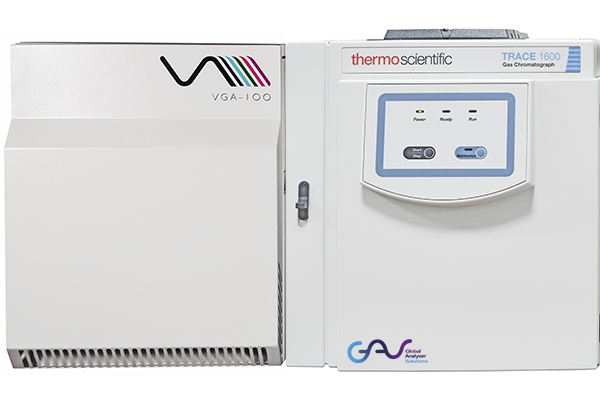
Pyrolysis Oil Analyser using GC-VUV
Accurate and automated PIONA analysis using GC-VUV – delivering full compound class characterisation including 13 oxygenates, with reduced analysis time and lower cost per sample.
Ready to Elevate Your Analysis?
Hydrocarbon Type Analysis Of Waste Plastic Process Oil Using GC-VUV
The chemical composition of waste plastics process oil (WPPO) is an important indicator of process performance and product quality in plastic recycling. The proportions of saturates, olefins, styrenes and aromatic hydrocarbons provide valuable information for optimisation of pyrolysis and depolymerisation processes and for evaluating the suitability of WPPO as feedstock for downstream refining or chemical production. ASTM D8519 introduces a modern GC-VUV method that combines gas chromatography with vacuum ultraviolet spectroscopy to identify and quantify hydrocarbon classes, even when chromatographic peaks overlap.
Innovative Solutions for Modern Challenges
In an era where efficiency and precision are paramount, our GC-VUV technology stands out as a beacon of innovation. By streamlining the analysis process, we empower laboratories to achieve faster turnaround times without compromising on accuracy. Our commitment to quality ensures that every analysis not only meets but exceeds industry standards, providing you with the confidence needed in your results.
Why Choose Our GC-VUV Technology?
Our advanced system is designed with user-friendliness in mind, allowing operators of all skill levels to achieve professional results. The integration of automated data processing minimizes human error, while the comprehensive reporting features facilitate easy compliance with regulatory requirements. Experience the future of hydrocarbon analysis with our state-of-the-art GC-VUV solutions.
Applications
- Supported methods: ASTM D8519
- PIONA Analysis of Waste Plastic Process Oil
Perform full PIONA+ classification including oxygenates according to standardised methods and fuel specs.
- C5 to C40+ boiling point range analysis
PIONA classification over a wide boiling point range.
- Oxygenates Identification and Quantification
Analyse 13 oxygenated components such as methanol, ethanol, MTBE, ETBE, TAME and TAEE within the same method.
- Multi-Fuel Analysis on One Instrument
Combine PIONA with jet fuel (ASTM D8267) and diesel/biodiesel (ASTM D8368) analysis using the same GC-VUV system.
Benefits
- Distinct Spectral Identification
VUV spectra enable reliable compound identification independent of precise retention times or column switching.
- Complete PIONA+ Coverage up to C40+
Simultaneous analysis of paraffins, iso-paraffins, olefins, naphthenes, aromatics and 13 oxygenates.
- Reduced Analysis Time
Complete PIONA analysis in approximately 34 minutes with fully automated data processing.
- Simplified Instrumentation
Single capillary column and VUV detector – no traps, pre-columns or complex calibration routines required.
- Lower Cost per Analysis
Reduced operational costs and minimal manual data review compared to traditional PIONA and DHA methods.

Downloads
Access product notes and application notes
PIONA Analyser using GC-VUV Product Note
Explore system configuration, method details, compound coverage, performance data and ordering information